
Impact Statistics/Charts


History
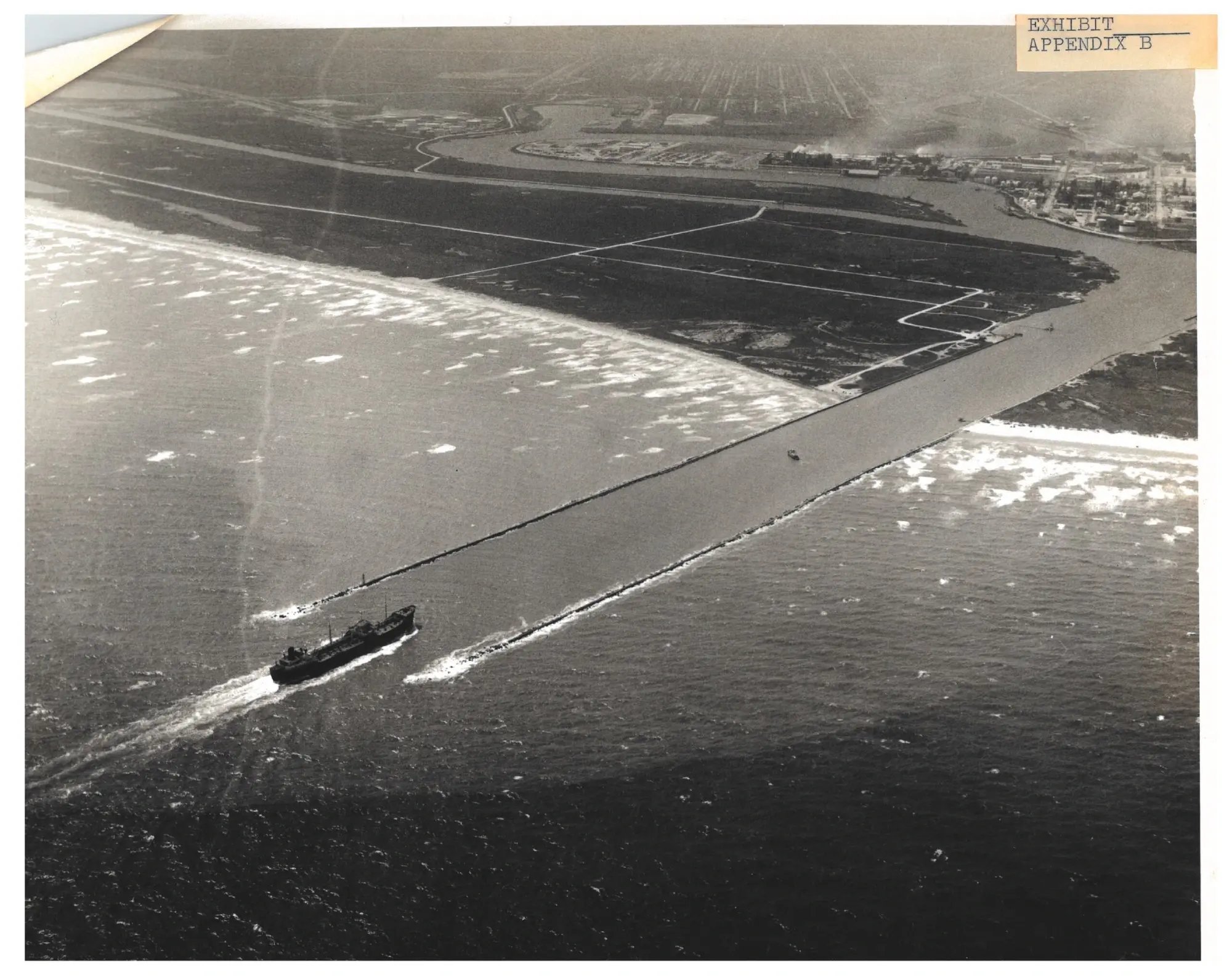
Port Freeport is an autonomous governmental entity authorized by an act of the Texas Legislature in 1925.

Governing Body
Port Freeport is governed by a Port Commission that serve six-year staggered terms. The Port Commissioners are elected by local residents.

Facilities
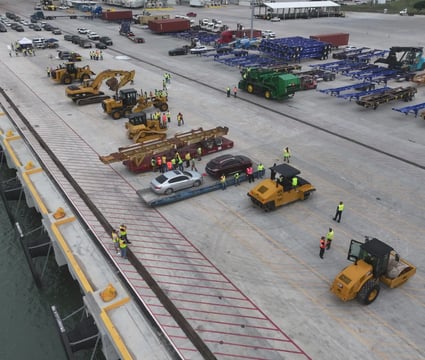
Port Freeport land and operations currently include 186 acres of developed land and 7,723 acres of undeveloped land, 14 operating berths (public and private docks), a climate-controlled facility, a 45-foot deep Freeport Harbor Channel and a 70-foot-deep berthing area.  Future expansion includes building a 1,300-acre multi-modal facility, two multi-purpose 1,200-foot berths on 50 feet of water and two dockside 120,000 square-foot transit sheds. Port Freeport is conveniently accessible by rail, waterway and highway routes. 

There is direct access to the Gulf Intracoastal Waterway, Brazos River Diversion Channel, State Highways 36 & 288 and rail service provided by the Union Pacific Railroad.


Port Ranking
16th in the US in foreign tonnage
26th in the US in total tonnage

Tonnage
4.1 million tons domestic
29.8 million tons total (public and private docks)

Vessel Calls
3,000/year (including barge/tug calls)

T.E.U.s
75,000

Truck Traffic
155,000/ year (public/private)

Railcar Transits
50,000/ year (public/private)

Economic Impact
$10.2 billion annually
11,696 direct jobs, 13,735 induced jobs

Top Trading Partners
Brazil, China, Colombia, Costa Rica, Cuba, Dominican Republic, Guatemala, Honduras, India, Iraq, Mexico, Nigeria, Saudi Arabia, Venezuela

Top Import Commodities
Aggregate, Chemicals, Clothing, Crude, Foods, Paper Goods, Resins, Windmills

Top Export Commodities
Autos, Chemicals, Clothing, Foods, Paper Goods, Resins, Rice

Top Import Countries
Brazil, Colombia, Costa Rica, Guatemala, Honduras, India, Mexico

Top Export Countries
Brazil, Colombia, Costa Rica, Cuba, Dominican Republic, Honduras, Nigeria, Saudi Arabia